Why Amazon Blocked Meta’s Muse, and What It Means for Your Shopping
Amazon has shut Meta’s Muse agent out of its store, the latest clash over AI shopping agents. Here is what each side says, what shoppers will notice, and where Muse can still buy.

Why Amazon blocks Meta Muse: the short answer
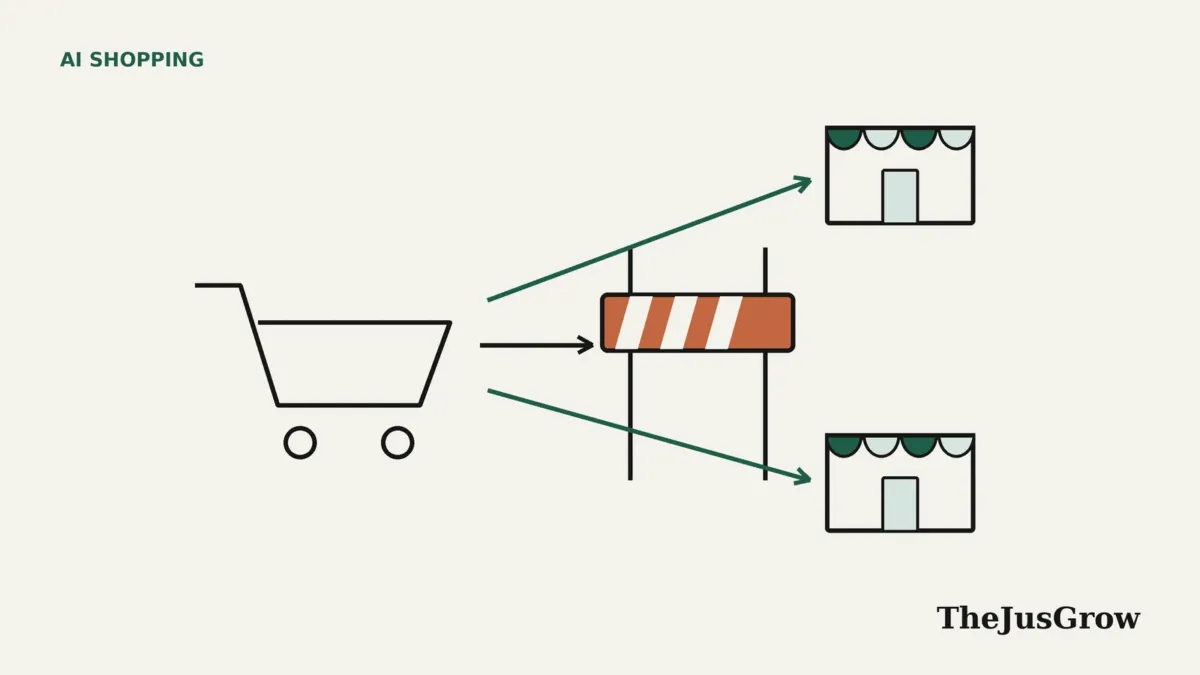
Amazon has blocked Meta’s Muse AI agent from shopping on Amazon.com, reported on 21 September 2026. Amazon says the agent didn’t identify itself, wasn’t authorised and handled customer login details, and that shopping agents “should operate openly and respect service provider decisions”. Meta says Muse never sees passwords or payment methods. For shoppers, it means Muse can’t buy from Amazon, but it can from partners including Walmart, Best Buy and Shopify stores.
Within two weeks of launch, Meta’s Muse agent ran into the biggest online shop in the US. Users who asked Muse to buy something from Amazon found the agent stopped by an error message, according to GeekWire, which first reported the block. Campaign reported that the warning said continued access by an unauthorised AI agent violates Amazon’s Conditions of Use.
The dispute is about more than two tech giants. It is an early test of who decides how AI agents can shop for you, and it will shape what agents are actually useful for. This article sets out what each company has said, based on news reporting and Meta’s own documentation from September 2026.
What did Amazon do?
Amazon cut off Muse’s access to its retail site. An Amazon spokesperson said that “third-party applications that offer to make purchases on behalf of customers from other businesses should operate openly and respect service provider decisions about whether or not to participate”.
According to reporting by GeekWire, Forbes and Campaign, Amazon made several specific complaints:
- Meta never obtained permission for Muse to shop on Amazon.
- The agent did not identify itself as automated software while browsing.
- The agent accessed customer account information, such as order history, Forbes reported.
- Amazon alleged that Muse captured and stored customer login credentials, according to Campaign.
What does Meta say?
Meta had not responded directly to the block when these reports were published. But it had already described how Muse handles logins. Meta’s help centre says that when you connect a service, your credentials are held in a secure credentials store, and Muse can complete an authorised action “without the AI model seeing your password”. Meta’s launch announcement says Muse “has no visibility into people’s passwords or payment methods”.
The two positions don’t necessarily contradict each other. Meta’s point is that its AI model doesn’t see your password. Amazon’s is that a third party is holding and using its customers’ logins without Amazon’s agreement. Both can be true at once.
Is this really about security?
Amazon frames its decision around security and transparency. Commentators also point to money. Forbes noted that Amazon earned about $68 billion from advertising in the previous year, roughly 10% of its revenue, and that much of it comes from sponsored products shown to people browsing the site.
An AI agent that searches Amazon on your behalf doesn’t look at sponsored listings the way a person does. Forbes argues that keeping third-party agents out also protects the browsing data that powers Amazon’s ad business. That is analysis, not something Amazon has said, but it helps explain why retailers with big advertising businesses are wary of agents they don’t control.
Amazon also has its own AI shopping tools, which we cover in our explainer on Alexa for Shopping and “Buy for Me”.
Is Muse the only agent Amazon has blocked?
No. GeekWire notes that Amazon previously took similar action against shopping agents from Google, OpenAI and Perplexity. TechSpot reports that Amazon is working to block similar agents from Google and OpenAI. Forbes notes that Amazon previously sued Perplexity and has restricted bots from several AI companies from crawling its website.
The pattern is consistent: Amazon wants AI agents on its site only on its terms.
Where can Muse still shop?
Meta is building a network of retailers that have agreed to work with Muse. At Connect on 24 September, Meta said it launched with dozens of partners plus access to the entire Shopify catalogue, and was adding:
| Category | Partners Meta has named |
|---|---|
| Retail | Walmart, Best Buy, American Eagle Outfitters, DICK’S Sporting Goods, Fanatics, Gap, Michael Kors, Sephora, Ulta, Wayfair |
| Payments | Shop Pay, PayPal |
| Groceries | Instacart |
| Travel | Expedia (coming soon) |
Buying through an official partnership is likely to be more reliable than an agent browsing a site that doesn’t want it there. Meta also says Muse purchases are covered by Link’s purchase protections, which it describes as covering damaged or lost items, price drops and no-fee returns.
What does this mean for shoppers?
For now, the practical effects are straightforward:
- Muse can’t buy from Amazon. If you ask it to, expect it to fail. Buy from Amazon yourself or ask Muse to look elsewhere.
- Price comparison has gaps. An agent that can’t see the largest US store may miss the best deal. Our article on whether AI agents can find better prices explains why comparisons are only as good as the stores an agent can reach.
- Partnered stores will work better. Retailers that have signed up are more likely to give smooth checkouts and proper order records.
- Approvals still matter. Meta says every Muse checkout needs your approval with the exact details shown. Read it every time.
What happens next?
The standoff reflects a broader question the industry has not settled: should an AI agent be allowed to use a website the way a person does, or only with the site’s agreement? Retailers, payment companies and AI firms are experimenting with different answers, including retailer partnerships like Meta’s and Google’s own approach, which we cover in our Universal Cart explainer.
For shoppers, the likely result in the near term is a patchwork: agents that work well at some stores and not at all at others. Before relying on any agent to shop, check which stores it can actually use. Our guide to AI shopping agents covers the other questions worth asking.
Key takeaways
- Amazon has blocked Meta’s Muse agent from shopping on Amazon.com, first reported on 21 September 2026.
- Amazon says Muse wasn’t authorised, didn’t identify itself and handled customer logins; Meta says its AI model never sees passwords or payment methods.
- Forbes points to Amazon’s roughly $68 billion advertising business as a further reason retailers resist outside agents.
- Amazon has taken similar steps against agents from Google, OpenAI and Perplexity.
- Muse can still shop at partner retailers including Walmart, Best Buy, Sephora and Shopify stores, with every checkout needing your approval.
Amazon blocks Meta Muse: FAQs
Amazon says the agent did not identify itself, was not authorised and handled customer login details. Meta says Muse never sees passwords or payment methods. Forbes also points to Amazon’s roughly $68 billion advertising business as a reason retailers resist outside agents.
At partner retailers including Walmart, Best Buy, Sephora and Shopify stores, with every checkout needing your approval.
Yes. Amazon has taken similar steps against agents from Google, OpenAI and Perplexity.
Sources
- GeekWire, “Amazon blocks Meta’s Muse AI assistant in new standoff over agentic shopping” (21 September 2026)
- Forbes, “Why Amazon Blocked Meta’s AI Agent From Making Purchases” (23 September 2026)
- Campaign, “Amazon blocks Meta’s Muse from shopping on its platform” (23 September 2026)
- TechSpot, “Amazon is blocking Meta’s shopping AI agent, and plans to block Google and OpenAI’s too” (25 September 2026)
- Meta, “Everything We Announced at Meta Connect 2026” (24 September 2026)
- Meta Help Centre, “How Muse handles your privacy, safety and security” (accessed September 2026)
- Meta Newsroom, “Introducing Muse: The World’s First Personal AI Agent Built for Everyone” (8 September 2026)
- Meta AI Research, “Security and safety for AI agents: our approach with Muse” (8 September 2026)