Can AI Agents Find Better Prices Online?
Sometimes — mainly by doing the boring comparison and waiting work you'd skip. Here's what AI price comparison, price tracking and deal hunting can realistically deliver, and where they fall short.

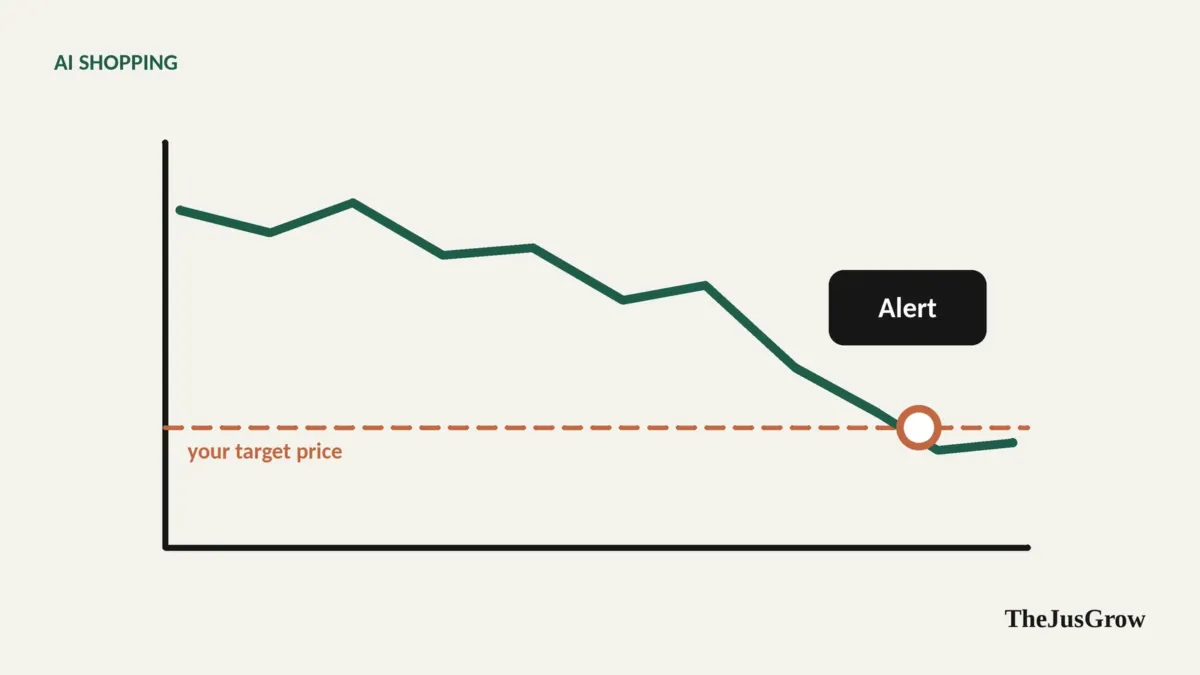
Can AI agents find better prices? The short answer
Yes, AI agents can help you pay less, mostly by comparing more retailers than you would and waiting patiently for a price drop. They can’t see prices a store hides from them, reliably apply every coupon, or guarantee a “deal” is genuine. The biggest wins come from price tracking and from checking the total cost including shipping and returns, not from magic discounts.
The promise is attractive: software that scours the internet and always finds you the lowest price. The reality is more modest but still useful. Agents are tireless at the parts of bargain-hunting that humans find tedious, checking ten sites, reading shipping terms, waiting weeks for a sale. They are not better than you at spotting a scam, and they can’t get prices that retailers don’t show them.
Three ways an agent can save you money
1. Wider comparison
Most of us check two or three stores before buying. An agent can check a dozen in the time it takes you to check one, and put the results in a table. For products sold by many retailers (electronics, appliances, branded household goods) this alone can surface a better price.
The trick is to ask for total price, not the headline figure: item price plus shipping, minus any obvious promotion, with the return policy noted. A $10 saving evaporates if the cheaper store charges $12 shipping and makes you pay for returns.
2. Price tracking
This is where agents are most useful, because waiting is exactly what people are bad at.
- Google lets you track a product’s price in Search and set a target; in the US, for eligible merchants, the price-drop alert can include a “buy for me” button that completes checkout on the merchant’s site with Google Pay after you confirm.
- Amazon’s Alexa for Shopping (US) shows price history, Amazon has described up to a year of it, and supports scheduled actions.
- General-purpose agents such as ChatGPT Work, Gemini Spark or Claude can run a scheduled task that checks a page and tells you when the price changes.
3. Better timing and alternatives
An agent can tell you when a product’s successor is about to launch (older models often drop in price), whether a “sale” price is actually unusual, and whether an equivalent product from another brand does the same job for less. That’s research, and research is what agents do best.
What AI agents can’t do (yet)
See every price. Some prices only appear after you sign in, join a loyalty scheme, add to basket or enter a postcode. Many sites also block automated visitors. An agent’s comparison is only as complete as the pages it could load.
Guarantee a real discount. A “was $199, now $99” label may be based on a reference price that barely existed. Consumer regulators in several countries have acted against misleading reference pricing. An agent reading the page will usually repeat the claim unless you ask it to check price history.
Use your personal perks. Membership discounts, student prices, credit-card offers and cashback are often invisible to an agent unless it’s signed in as you, which raises its own risks.
Reliably apply coupons. Coupon codes found on the web are frequently expired or fake. An agent may try several; many will fail.
Buy everywhere. Automatic purchasing works only with participating merchants, mostly in the US, and some marketplaces, eBay among them, prohibit buy-for-me agents in their terms. See AI shopping agents for the details.
Know that prices differ for you. Prices can vary by location, device, time and whether you’re logged in. The agent’s view, often from a server in another region, may not match what you’ll see at checkout.
How to use an AI agent to find a better price: step by step
Step 1: Pin down the exact product
Ambiguity is the enemy. Give the model number, size, colour and condition (new, refurbished, open-box). “Sony WH-1000XM6, black, new” is searchable; “good noise-cancelling headphones” is not.
Step 2: Ask for a total-cost comparison
Try something like:
Compare the price of [exact product] at the main retailers that ship to [your country/postcode]. For each, list item price, shipping cost, estimated delivery date, return window and who pays return shipping. Only include retailers you could load directly, and give me the link for each. Flag any price that looks unusually low.
That last line matters: unusually low prices from unfamiliar stores are a classic scam pattern.
Step 3: Check two results yourself
Open the two cheapest options. Confirm the price, the seller (marketplace listings are often third-party sellers), and the stock status. This takes a minute and catches most errors.
Step 4: Set up tracking if you can wait
If you’re not in a hurry, set a price alert. In Google Search you can track a product and set a target price. With a general agent:
Every morning, check [link] and tell me if the price drops below [amount]. Don’t buy anything, just notify me.
Keep the “don’t buy” instruction until you trust the setup.
Step 5: Decide on automatic buying carefully
Automatic purchase on a price drop sounds great until the size is wrong, the listing changed, or you no longer need the thing. If you use it, set a strict ceiling, limit it to trusted retailers, and make sure you’ll get a confirmation you can act on.
Step 6: Check the checkout total
Before paying, compare the final total to what the agent reported. If it’s higher, find out why before you continue.
Red flags when an agent finds an “amazing deal”
- A retailer you’ve never heard of, with a price far below everyone else.
- A site that only accepts bank transfer, gift cards or cryptocurrency.
- A domain that imitates a well-known brand with an extra word or odd spelling.
- Pressure to buy immediately (“only 2 left”, countdown timers) on a site you don’t know.
- An agent that suddenly insists on a specific unfamiliar store, it may have read content designed to steer it. See AI agent scams.
So, are the savings worth it?
For small, occasional purchases, probably not much, the time you save is the main benefit. For larger purchases where you can wait, price tracking combined with a proper total-cost comparison is genuinely useful, and agents make both less of a chore. We can’t give you an average saving figure, because it varies enormously by product and store, and we haven’t found trustworthy independent data on it; be wary of anyone who quotes one without showing their method.
Key takeaways
- Agents save money mainly by comparing more stores and tracking prices over time.
- Always compare the total cost: shipping, delivery time and return terms, not just the headline price.
- Agents can’t see sign-in-only prices, personal perks or stores that block them.
- Verify the two best results yourself, and treat unusually cheap unknown stores as suspect.
- Keep automatic buying off until you’ve set strict limits and trust the setup.
Can AI agents find better prices? FAQs
Yes, mostly by checking more retailers than you would and by watching prices over time. The savings come from price tracking and comparing the full cost, not from secret discounts.
Sometimes. An agent can combine comparison sites, retailer pages and price history in one pass. But it cannot see prices hidden behind logins or personal perks, and some stores block agents completely, so check the two best results yourself.
Only with strict limits. Set a maximum price, a single product and a named retailer, and keep a confirmation step until you trust the setup. Price alerts are the safer place to start.
Sources
- Google, “Shop with AI Mode” (price tracking and agentic checkout)
- 9to5Google, Google agentic checkout rollout and launch merchants (13 November 2025)
- CNBC, Amazon launches Alexa for Shopping (13 May 2026)
- The Register, eBay bans AI “buy-for-me” agents in user agreement (22 January 2026)
- OpenAI Help Center, “ChatGPT Work and Codex” (scheduled tasks)