The Best AI Agents for Everyday Tasks (and How to Choose One)
There is no single best AI agent, only a best fit for the apps you use, the country you live in and how much you'll let software do unsupervised. We compare the main options.
AI tools are now part of daily work for millions of people, from chat assistants to agents that run tasks on a schedule. This topic covers the tools worth your time and explains what each one does in plain English.
Adoption is no longer niche. McKinsey’s State of AI survey reports that most organizations now use AI in at least one business function. Similarly, the Stanford AI Index tracks how fast model quality and cost change each year. As a result, the gap between a good tool and an average one keeps shifting.
We focus on what a tool does for a real person, not on launch hype. So each guide explains the task, the limits and the cost. In addition, we link our sources so you can check every claim.
For instance, Google information agents shows how AI Mode tracks topics in the background. On the research side, how self-improving AI works explains the systems behind the newest models. You can also browse real cases of AI improving AI.
Start with one repetitive task you already do every week. Then test a tool on that task for a few days. Finally, keep it only if it saves time without adding new mistakes. That simple test filters out most of the noise.
There is no single best AI agent, only a best fit for the apps you use, the country you live in and how much you'll let software do unsupervised. We compare the main options.
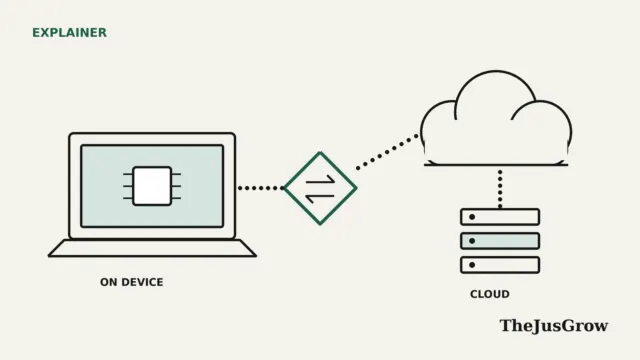
Microsoft's new hybrid intelligence plan lets Copilot choose between AI models on your PC and in the cloud. What it means for privacy, cost and your…
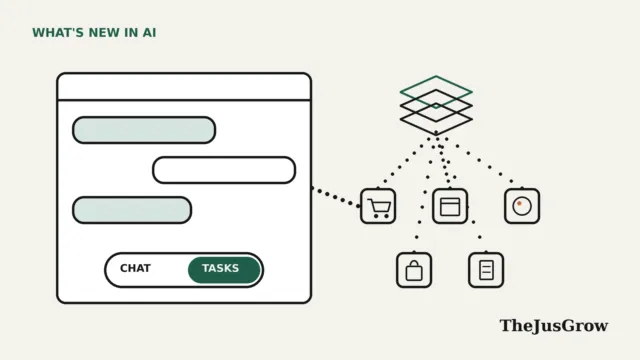
Google opened Gemini 4 Argon to AI Pro and Ultra subscribers on 13 October. We explain US prices, the new tasks toggle, regional limits and who…
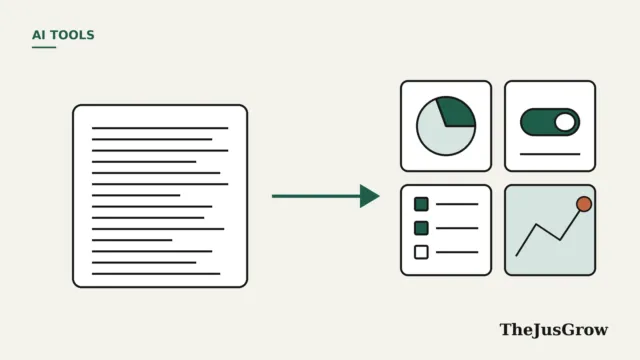
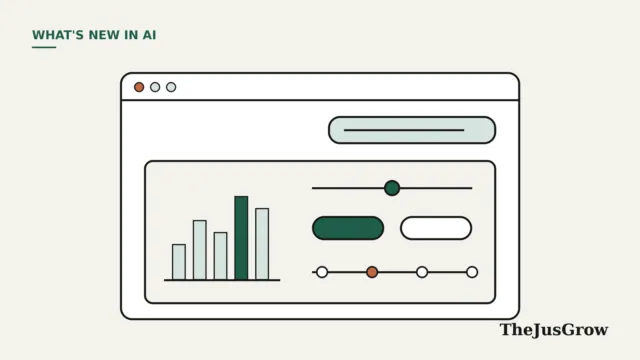
AI assistants have started building charts, sliders and mini-tools on the fly. Here is what generative UI means for everyday users, and what to…
OpenAI's new default model brings interactive answers to every ChatGPT plan. Here is what changed, who gets which version, and how to dial the…
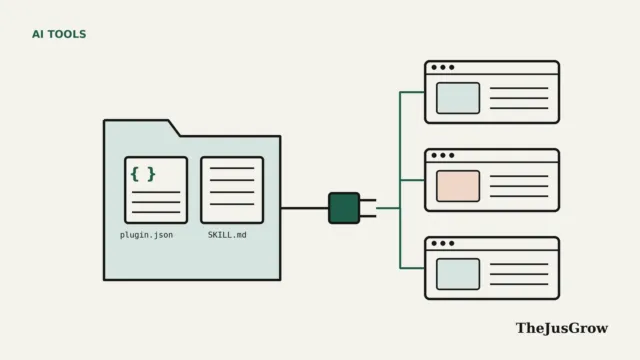
A new open standard lets one AI add-on work across ChatGPT, Copilot, Cursor and more. Here is what Agent Plugins contain, what they leave out and…
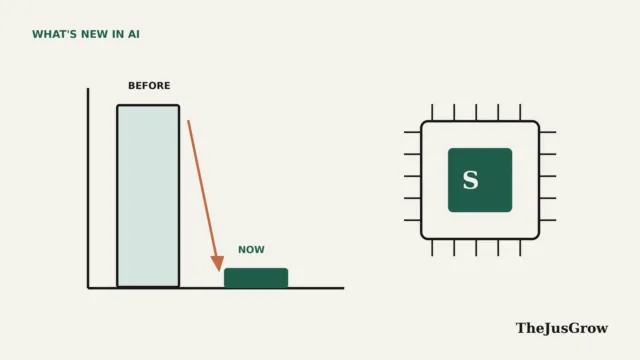
Anthropic's new small model costs about a tenth of its predecessor and adds a 1 million token context window. Here is what changed, where to use it…
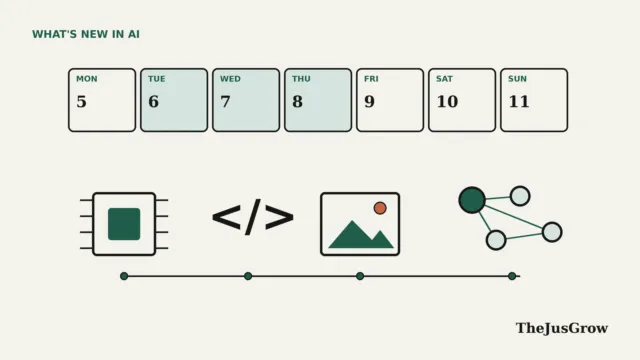
Capable AI got much cheaper this week, Google launched a work agent that runs on rival models, and new tools arrived for containing agents and…
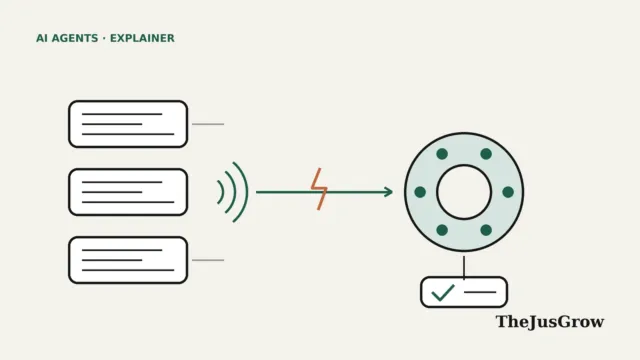
A draft extension to the Model Context Protocol lets apps wake an AI agent when something happens. ChatGPT already uses part of it. Here is what…
Most AI agents now sit behind tiered plans, rolling usage limits and pay-as-you-go credits. This guide sets out how the main consumer plans charge…
ChatGPT Work can now log in to websites and keep working after you leave. Here is how the sign-in actually works, what OpenAI promises, and a simple…
OpenAI's login button now does more than log you in: some apps can spend part of your ChatGPT plan. Here is what each permission means and how to…
From self-correcting answers to agents that rewrite their own code, every self-improving AI runs on a loop. Here is how the main methods work and…