Google’s Universal Cart, Explained: One Shopping Cart Across Search, Gemini and More
Google announced a cart that follows you across its apps, watches prices and stock, flags incompatible items and checks out with participating brands. Here's what it does, what's actually rolling out, and what to watch.

Google Universal Cart: the short answer
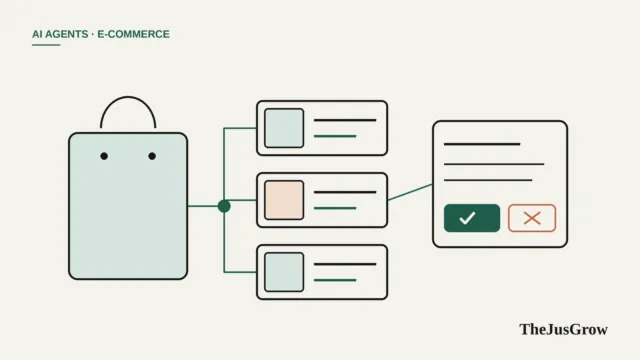
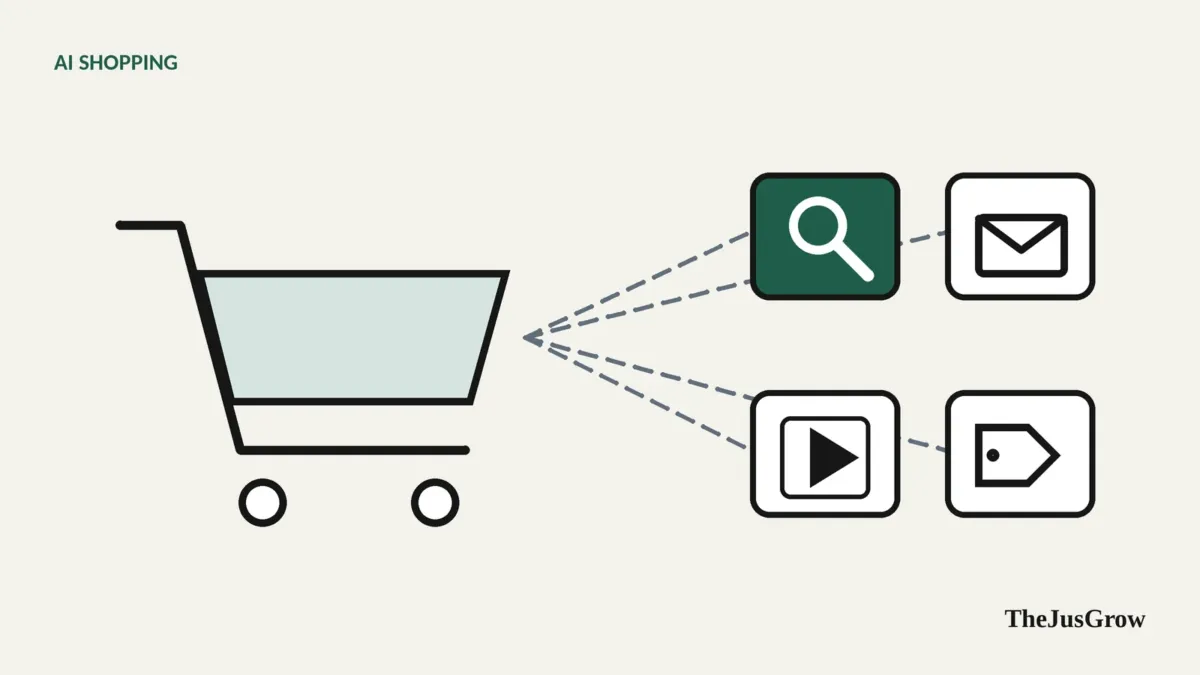
Universal Cart is a Google shopping cart that works across merchants and Google services. Announced at Google I/O in May 2026, it gathers items you’re considering, tracks price history and stock, flags items that won’t work together, surfaces offers and loyalty perks, and lets you check out with Google Pay at participating brands, or send items to the merchant’s own site. Google said it would launch in Search and the Gemini app in the US in summer 2026, with YouTube and Gmail later in the year.
Online shopping today is scattered: a tab for each store, a wishlist in one app, a price alert in another, and a basket you abandoned last week. Universal Cart is Google’s attempt to pull those into a single place, and to give its AI agents somewhere to do the shopping legwork.
What Universal Cart does
According to Google’s shopping announcement, Universal Cart:
- Collects items across merchants and Google services into one cart.
- Searches for deals and tracks price history, and alerts you about stock availability.
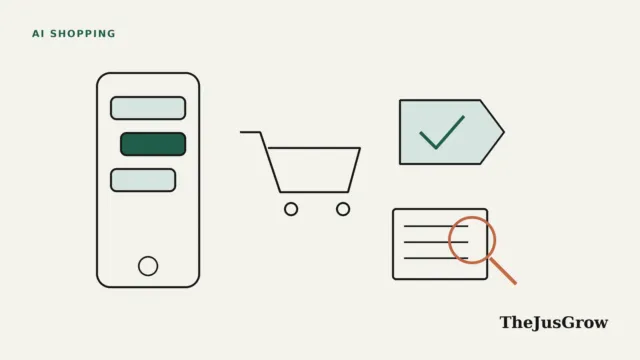
- Uses AI reasoning to flag incompatibilities (for example, parts that don’t fit together) and suggests alternatives.
- Surfaces savings from payment-method perks, loyalty information and merchant offers.
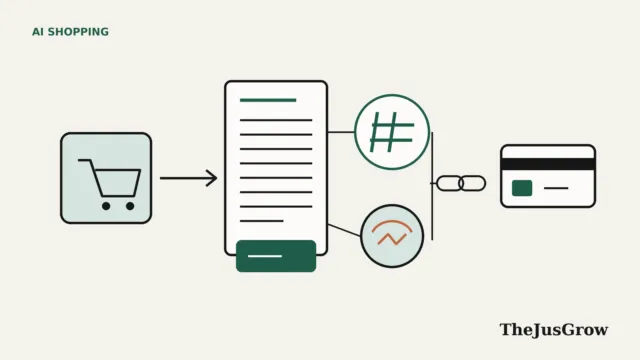
- Supports checkout via Google Pay with participating brands, or lets you move items to the merchant’s site to finish there.
Google named participating brands including Nike, Sephora, Target, Ulta Beauty, Walmart and Wayfair, plus Shopify merchants such as Fenty and Steve Madden. Crucially, Google says “the brand stays the merchant of record”, you’re buying from the retailer, and returns and support go through them.
Where and when
| Surface | Timing Google announced |
|---|---|
| Google Search (US) | Summer 2026 |
| Gemini app (US) | Summer 2026 |
| YouTube and Gmail | Later in 2026 |
Google also said checkout experiences built on its Universal Commerce Protocol would expand to Canada, Australia and the UK “in coming months”. As with any announcement, availability can lag the keynote; check whether Universal Cart appears in your Google account before planning around it.
How it fits with Google’s other shopping agents
Universal Cart doesn’t stand alone. It joins features Google has been building since 2025:
- Price tracking and “buy for me“. Since late 2025, US shoppers have been able to track a product’s price and, for eligible merchants, get a notification with a button that has Google’s agent complete checkout on the merchant’s site with Google Pay.
- The Universal Commerce Protocol (UCP). An open standard Google introduced with Shopify and major retailers in January 2026 so AI agents can read accurate product data and handle carts and checkout.
- The Agent Payments Protocol (AP2). Google describes AP2 as creating “a transparent, verifiable link between you, the merchant and the payment processor”, with strict spending limits and brand restrictions. Google said AP2 would begin rolling out in its products starting with Gemini Spark, its personal agent.
Put together, the direction is clear: you tell Gemini what you need, it fills the Universal Cart, and, within limits you set, it can complete checkout. Read our Gemini Spark explainer for the agent side.
What’s genuinely useful here
One place to compare. Seeing items from several retailers side by side, with price history, is the kind of legwork agents do well.
Compatibility checks. Flagging that a charger doesn’t support your laptop, or a lens won’t fit your camera, could prevent real mistakes, if it’s accurate.
Spending limits by design. If AP2’s limits work as described, delegated purchasing gets a meaningful safety rail: the agent can only spend what you’ve approved, where you’ve approved it.
What to watch
It’s Google’s cart. Google earns money from shopping ads and has been testing ads in AI Mode. Expect commercial placements; don’t assume the cart shows you every retailer.
Merchant coverage. Checkout only works with participating brands. Everything else hands you off to the merchant’s site.
Compatibility claims. AI reasoning about whether parts fit is helpful but fallible. For anything expensive, confirm with the manufacturer’s specifications.
Data. A cart that knows your purchase intentions, payment perks and loyalty accounts is a rich profile. Review what Google stores in your account’s activity and payment settings.
Region. Initially US only for the cart itself.
Should you use it?
If you shop from several big retailers and already use Google Pay, Universal Cart looks like a genuine convenience, especially the price tracking and compatibility checks. Treat automatic checkout the way you’d treat any agent purchase: set limits, keep a confirmation step until you trust it, and check the final total. Our guide to AI shopping agents covers the wider landscape, including stores that don’t allow AI shoppers at all.
Key takeaways
- Universal Cart gathers items across merchants and Google services, tracks price history and stock, and flags incompatibilities.
- Checkout uses Google Pay with participating brands; the brand remains the merchant of record.
- Google announced a US launch in Search and Gemini for summer 2026, with YouTube and Gmail later.
- AP2 is designed to add spending limits and brand restrictions to agent purchases, starting with Gemini Spark.
- Expect commercial placements, limited merchant coverage at first, and verify compatibility claims for costly items.
Google Universal Cart: FAQs
Google said it would launch in Search and the Gemini app in the US in summer 2026, with YouTube and Gmail following later in the year.
The brand or store you buy from. Checkout runs through Google Pay with participating brands, but the merchant stays the merchant of record for delivery, returns and support.
It tracks price history and stock and surfaces offers, which helps. It can also include commercial placements and covers a limited set of merchants at first, so compare elsewhere for expensive items.